

How Much Does a Tanzania Safari Cost? A 2026 Price Guide
This article has been written by Allen
How much does a Tanzania safari cost? It is the question on every traveller's mind, and the honest answer is that it depends, because a safari is not a fixed product off a shelf. It is a trip built around your choices: when you go, where you stay, how far you travel and how long you are away.
That uncertainty can make budgeting feel daunting, but it need not. Once you understand the handful of factors that shape the price, and what budget, mid-range and luxury trips actually look like on the ground, the numbers start to make sense and you can plan with real confidence.
In this guide we break down exactly what goes into the cost of a Tanzania safari, where your money goes, how the different styles of trip compare, and the practical levers you can pull to get the most value, without cutting the parts that make a safari unforgettable.
What is included in a safari price
A well-organised safari price usually bundles far more than the game drives themselves. It typically covers your private vehicle and expert guide, park and conservation fees, accommodation, most meals, drinking water on drives and airport transfers. Internal flights between distant parks, or over to Zanzibar, are often added on top depending on your route.
What generally sits outside the price is international flights, your visa, travel insurance, tips for guides and camp staff, drinks in some cases, and personal extras. Because so much is bundled in, comparing safaris on headline price alone can be misleading.
Before judging whether a quote is expensive, it is always worth checking exactly what it covers. A slightly higher price that includes park fees, a private guide and quality accommodation can represent far better value than a cheaper quote that quietly leaves those out.
The three biggest cost drivers
Three factors move the price of a Tanzania safari more than anything else. The first is season. Peak months, particularly July to October and the December festive period, command the highest rates because demand is greatest, while the green season and the low-season long rains are noticeably gentler on the budget for very similar wildlife.
The second is accommodation, which spans an enormous range. At one end are simple, characterful tented camps and modest lodges; at the other, genuinely luxurious lodges with pools, fine dining and standout locations. Where you choose to stay each night has the single biggest ongoing effect on your total.
The third is the shape of your itinerary: how many parks you visit, how many days you travel and how much distance or flying is involved. A short, focused trip around two nearby parks costs far less than a sweeping multi-park expedition with internal flights, even though both can be wonderful.

Budget, mid-range and luxury: what each looks like
A budget safari focuses on the essentials done well. Expect comfortable tented camps or simple lodges, a well-planned route built around the closest, highest-impact parks, and in some cases small-group travel to share vehicle and guide costs. It is a superb way to experience Tanzania's wildlife without stretching your finances.
A mid-range safari steps up to more comfortable lodges and camps, a fully private vehicle and guide, and a broader route that might link the Serengeti, Ngorongoro and Tarangire at a relaxed pace. This is the most popular tier for good reason, balancing comfort, flexibility and value.
A luxury safari adds standout camps in prime locations, refined service and cuisine, more space and time, and often light-aircraft transfers to replace long drives. It is worth remembering that the wildlife is the same across every tier; what changes is the comfort, exclusivity and pace of the experience around it.

Park and conservation fees explained
A meaningful slice of any Tanzania safari cost is park and conservation fees, paid directly to protect the very places you have come to see. Iconic areas such as the Serengeti National Park and the Ngorongoro Conservation Area carry daily fees per visitor, and these are set by the authorities, not by the operator.
These fees are unavoidable and non-negotiable, and they can add up over a multi-day, multi-park trip. But they are also the reason Tanzania's extraordinary wildlife and wild places endure, funding anti-poaching efforts, park management and conservation.
When you understand that a genuine portion of your trip helps safeguard these landscapes for the future, the value of a safari looks rather different. You are not simply buying a holiday; you are helping keep the Serengeti wild.
How to get the best value
The single biggest lever on cost is flexibility with timing. Travelling in the green or shoulder season rather than the peak months can lower rates substantially for very similar wildlife, and the parks are quieter into the bargain. If your dates can flex, this is where the biggest savings usually hide.
Being open on accommodation style helps too. Mixing a night or two of luxury with comfortable camps elsewhere stretches a budget while still giving you a treat. Travelling as a small private group also spreads the fixed costs of the vehicle and guide across more people.
Finally, resist the urge to see everything. Rather than racing across every park, spending unhurried time in two or three well-chosen areas usually delivers richer sightings and a lower price than a frantic grand tour. A good operator will tell you honestly where your money makes the biggest difference, and where it simply does not.
Sample trip styles and what shapes their cost
A short northern-circuit safari of three to four days, based around the Ngorongoro Crater and a taste of the Serengeti, sits at the more accessible end of the scale. It is a wonderful introduction that keeps travel and fees to a minimum.
A classic five-to-seven-day loop through the Serengeti, Ngorongoro and Tarangire is the most popular middle ground, offering variety and depth without the cost of extensive flying. A longer in-depth safari, a migration-timed trip in peak season, or a bush-and-beach itinerary that adds Zanzibar naturally costs more, driven by extra days, internal flights and premium timing.
Whatever the style, the price should always be transparent, itemised where it helps, and matched to your priorities rather than padded with parks or nights you do not need.
Is a Tanzania safari worth it?
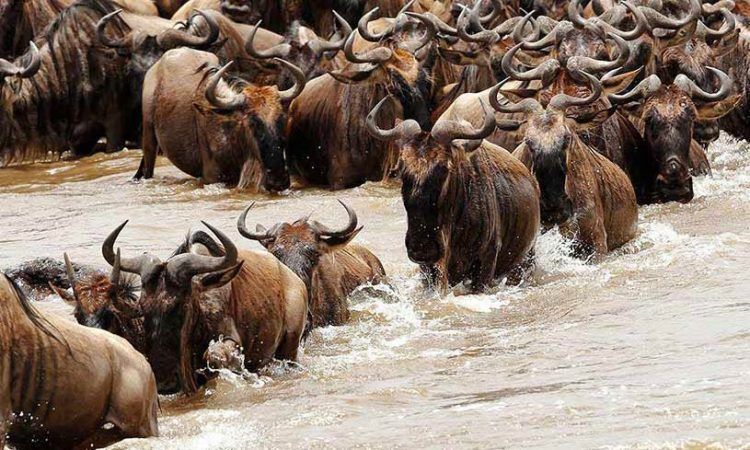
A safari is a significant investment, and it is fair to ask whether it is worth it. For the overwhelming majority of travellers, the answer is a resounding yes. There are few experiences on Earth to rival watching the Great Migration thunder across the plains, meeting the Big Five in the wild or gazing across the Ngorongoro Crater at dawn.
When you factor in everything a good safari includes, the expertise of a private guide, the conservation your fees support, and memories that genuinely last a lifetime, the value becomes clear. The goal is not to find the cheapest safari, but the right safari for you at a fair, transparent price.
Frequently Asked Questions
Is a Tanzania safari worth the cost?
For most travellers, yes. The combination of the Great Migration, the Big Five, the Ngorongoro Crater and Zanzibar's beaches is genuinely once-in-a-lifetime, and a portion of every trip helps fund the conservation that keeps it that way.
How can I make a Tanzania safari more affordable?
Travel in the green or low season, be flexible on accommodation style, focus your route on fewer parks, and travel as a small private group to share the vehicle and guide costs.
Why do prices vary so much between operators?
Differences usually come down to what is included, the standard of accommodation and vehicles, whether the trip is private or group, and the quality and training of the guides. Always compare like for like.
Are park fees included in a safari price?
With a well-organised operator, yes. Park and conservation fees are usually built into your quote. Always confirm, as these government-set fees are a significant and unavoidable part of the total.
Get a tailored quote for your trip
Rather than sell fixed packages, we build each itinerary around your budget, dates and travel style, and tell you plainly where your money makes the biggest difference. Share what matters most to you and we will map the options honestly. Reach our team any time at +255 755 425 859.