

The Best Time to Visit Tanzania for a Safari: A Month-by-Month Guide
This article has been written by Allen
One of the first questions every traveller asks when planning a safari is simple: when is the best time to visit Tanzania? The honest answer is that there is no single best time, only the best time for what you want to see. Tanzania is a genuine year-round destination, and each season tells a completely different story across its plains, craters and coastline.
The dry months make for the easiest game viewing and the famous river crossings. The green months bring newborn wildlife, dramatic predators and lush, photogenic landscapes. The quiet low season offers solitude and value. None of them is a wrong choice; they are simply different experiences, and the trick is matching the season to your own wish list.
This guide walks you through the Tanzanian safari calendar month by month, covering the weather, where the Great Migration sits on its endless loop, how busy the parks are and what each period is best for. By the end you will know exactly when to plan your trip for the safari you have been dreaming of.
Tanzania's seasons at a glance
Tanzania has two rainy seasons and two drier spells, and understanding this simple rhythm is the key to timing your trip. The long dry season runs roughly from June to October and is the classic safari window. The short rains arrive around November and give way to a lush green season from December into March. The long rains fall in April and May, the quietest time of the year.
Because Tanzania sits close to the equator, temperatures stay pleasantly warm throughout the year rather than swinging between extremes. What changes with the seasons is not so much the heat as the rain, the colour of the landscape and, crucially, the behaviour and location of the wildlife.
None of these seasons is 'bad' for safari. Tanzania's wildlife is resident and spectacular all year round. What changes is how easy the animals are to spot, where the Great Migration sits on its journey, how green the scenery looks and how many other vehicles share the view with you.

Dry season (June to October): peak game viewing
If you want the easiest, most reliable game viewing, the long dry season is hard to beat. As the land dries out, vegetation thins and animals gather around shrinking rivers and waterholes, making them far simpler to find. Skies are generally clear, days are warm and comfortable, mornings can be crisp, and the risk of rain interrupting a drive is low.
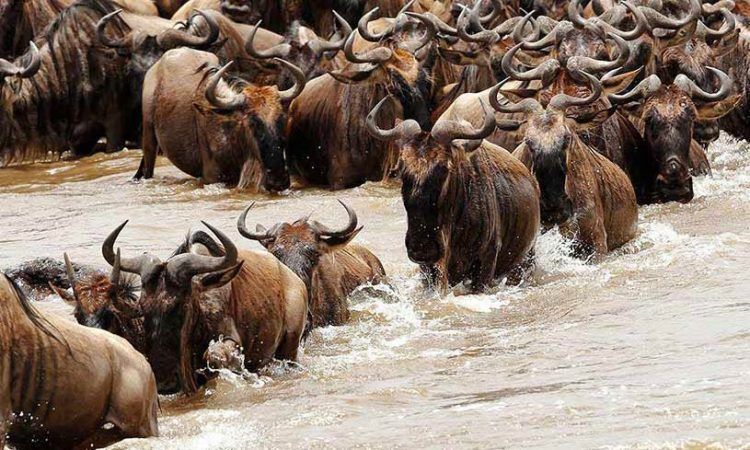
This is also when the Great Migration reaches the northern Serengeti. From around July to October the herds mass along the Mara River for the dramatic crossings that draw travellers from around the world, as thousands of wildebeest brave strong currents and waiting crocodiles. It is one of the most sought-after wildlife spectacles on the planet.
There is a trade-off, of course. The dry season is peak season, so the parks are at their busiest and lodges and camps book out many months in advance, particularly in the northern Serengeti during crossing season. Prices are at their highest too. If your heart is set on the river crossings or you simply want the most dependable game viewing, plan and reserve early.

Green season and short rains (November to March): calving season
From late November the short rains freshen the plains, and by December the southern Serengeti turns a brilliant emerald. This ushers in one of nature's greatest spectacles: the calving season. Over just a few weeks, usually between late January and March, hundreds of thousands of wildebeest give birth on the nutrient-rich grasslands around Ndutu, sometimes many thousands in a single day.
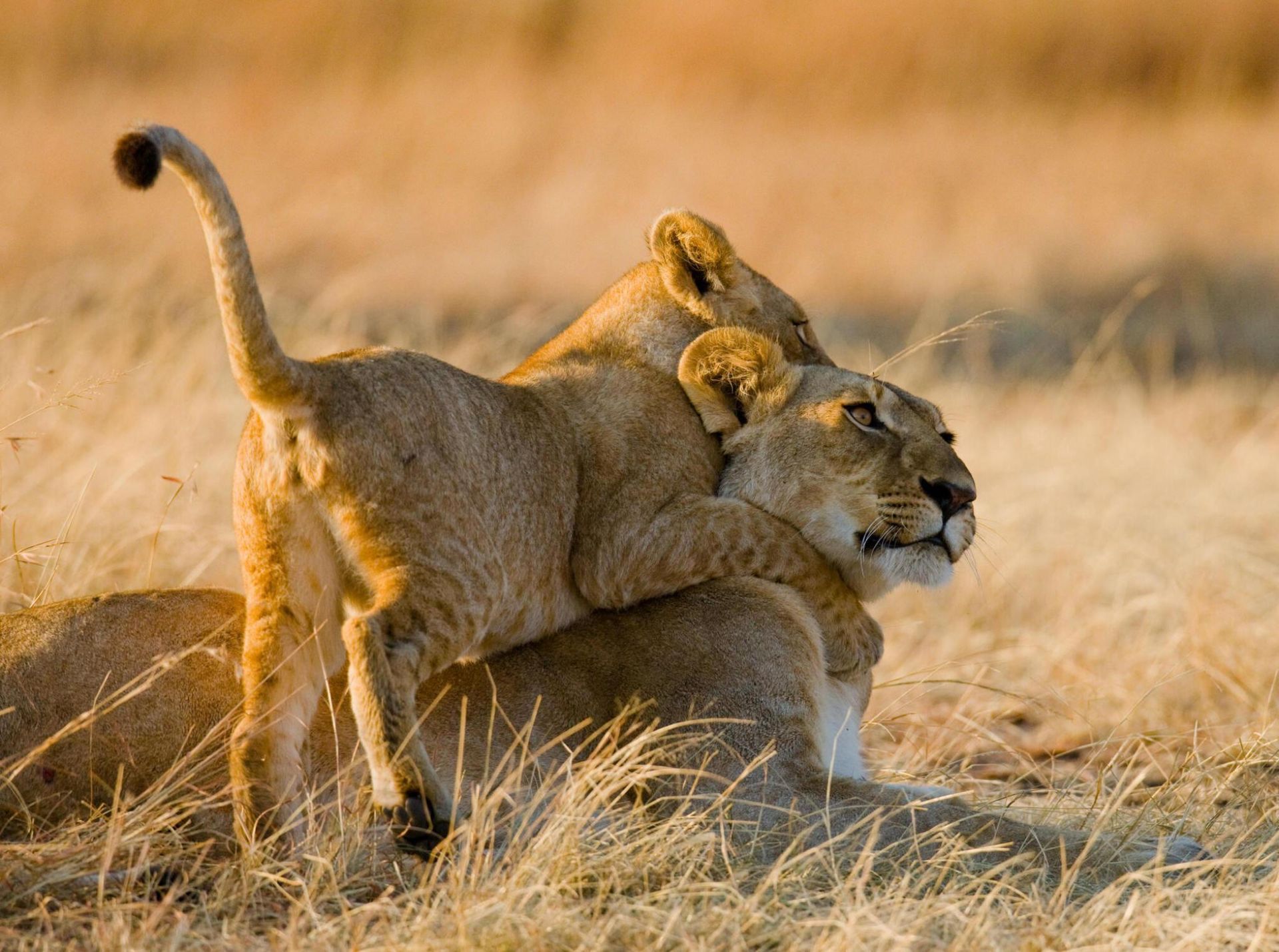
All that new life draws predators from every direction, and lion, cheetah and hyena are unusually active. For anyone hoping to witness the raw drama of the hunt, or simply to see wobbly newborn calves finding their feet, this is one of the most rewarding times of the entire year.
The green season has quieter pleasures too. The parks are far less crowded than in the peak dry months, the light is soft and superb for photography, and birding is at its best as migratory species arrive. Brief afternoon showers are common but rarely disrupt a full day in the bush, and rates are often gentler than in high season, making this excellent value.
Long rains (April to May): the quiet low season
April and May bring the long rains and the lowest visitor numbers of the year. Some remote camps close for the season, roads can be muddy, and afternoon downpours are likely. It is the one period where weather can genuinely affect your plans, so it calls for a flexible, easy-going traveller.
In return, the rewards are real. The landscape is impossibly lush and green, the parks feel wonderfully private, wildlife is still very much present, and prices are at their gentlest of the year. For travellers who do not mind a shower and value solitude and value over guaranteed blue skies, the low season can be a quietly magical and affordable time to visit.
Best time by what you want to see
The clearest way to choose your dates is to start from what matters most to you. For the Mara River crossings, aim for July to October in the northern Serengeti. For the calving season and intense predator action, target late January to March in the south. For the easiest all-round game viewing across every park, choose the dry months of June to October.
For fewer crowds and better value, look at November or the green season, or the quiet long rains. For birding, the green season from November to April is outstanding, with resident and migratory species in full colour. For honeymooners and families who want comfortable weather and a flexible pace, both the dry season and the green season work beautifully.
If you are combining your safari with a Zanzibar beach stay or a Kilimanjaro trek, the dry months line up neatly for all three, which is why June to October is such a popular window for a full Tanzania adventure.

Month-by-month quick reference
January to March: green season and calving in the south. Lush, quieter plains, superb for newborn wildlife, predators and photography. April to May: the long rains and low season, very green and private, with the lowest prices but the highest chance of a shower.
June: the dry season begins and game viewing sharpens as the migration moves north. July to October: peak dry season and the Mara River crossings, the busiest and most in-demand window of the year, with the easiest wildlife spotting.
November: the short rains begin and the herds drift south, a shoulder-season sweet spot for value and fewer crowds. December: the green season returns and the calving build-up begins, with festive-season demand pushing up availability, so book ahead if you plan to travel over the holidays.
Best time for Zanzibar and Kilimanjaro
Many travellers pair a safari with the beaches of Zanzibar, and the island is loveliest in the dry months from June to October and again from December to February. The long rains of April and May are best avoided for beach time, when the coast sees its heaviest, most persistent showers.
If you plan to climb Kilimanjaro, the clearest and most popular trekking windows are January to March and June to October. Both align neatly with a dry-season safari, so it is entirely possible to combine a climb, a safari and a beach stay in one well-timed trip.
How to choose your dates
In the end, timing a Tanzania safari comes down to weighing three things: the wildlife you most want to see, your tolerance for crowds and cost, and your own calendar. If a specific spectacle such as the river crossings or the calving is your dream, let that anchor your dates and build the rest of the trip around it.
If you are more relaxed about the exact experience and simply want a wonderful safari, you have far more freedom, and the shoulder and green seasons can offer superb wildlife with more space and better value. Because the migration's timing shifts a little each year with the rains, the surest approach is to plan with a team who tracks the herds and can advise on the best window for your goals.
Frequently Asked Questions
What is the overall best month to visit Tanzania?
There is no single best month, but if you want the easiest game viewing and the famous river crossings, July to October is the classic choice. For newborn wildlife, fewer crowds and better value, late January to March is superb.
When is the Great Migration in Tanzania?
The migration is in Tanzania year-round on its circular route. The calving season is in the southern Serengeti from around December to March, and the Mara River crossings happen in the north from about July to October.
What is the cheapest time to go on safari in Tanzania?
The long rains of April and May are the quietest and most affordable, followed by the green season in November. You trade some rain for lower prices and far fewer crowds.
Is the rainy season a bad time for a safari?
Not at all. The green season from December to March brings the calving, dramatic predators and lush scenery, with only brief showers. Only the long rains of April and May carry a real risk of disruption.
Plan your safari around the perfect season
Tell us when you can travel and what you most want to see, and we will match your dates to the wildlife, weather and atmosphere that suit you best. Every trip is private and tailored from start to finish. Reach our team any time at +255 755 425 859 to start planning.