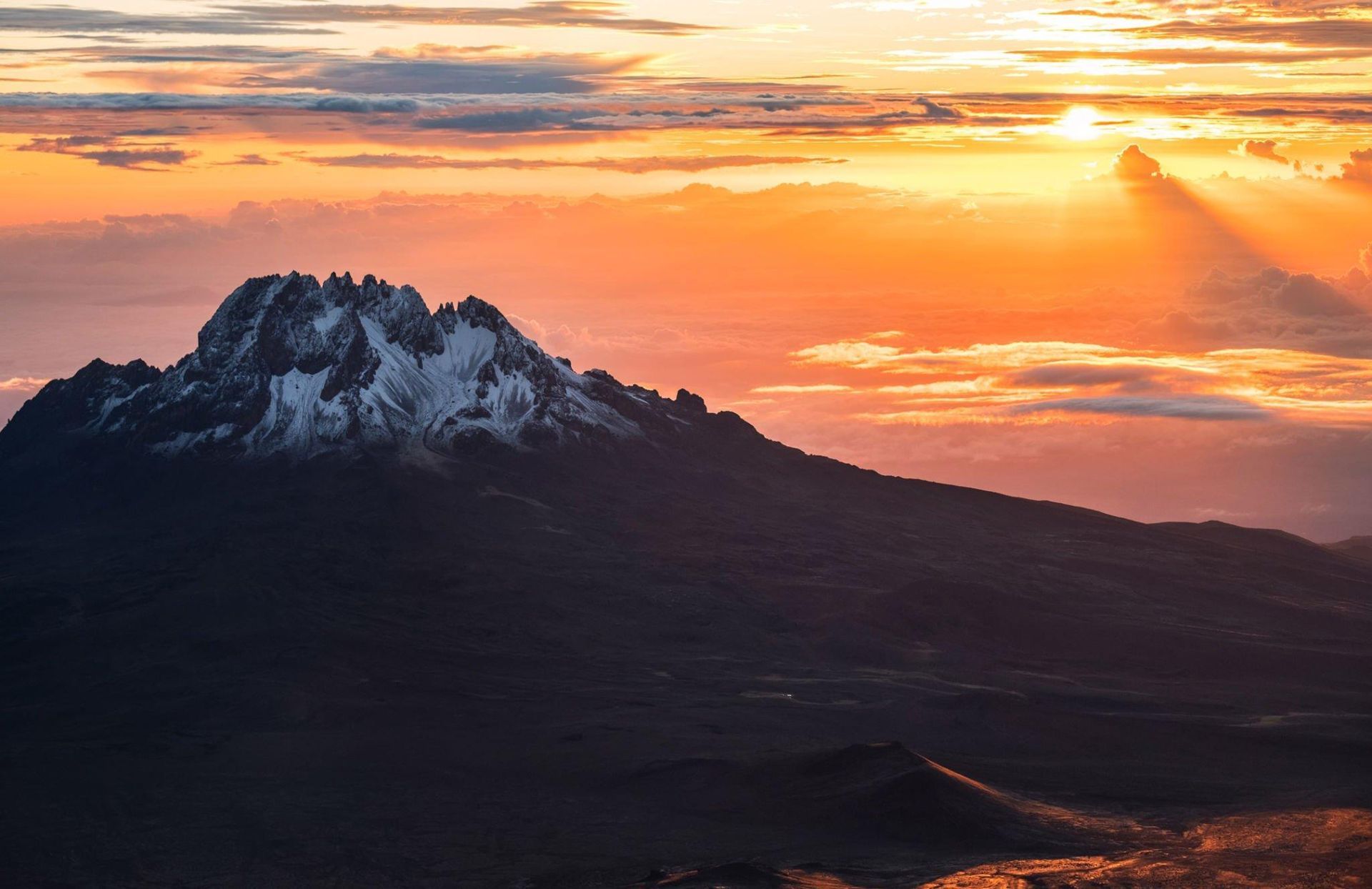
Tanzania's Greatest Challenge
Mount Kilimanjaro
5,895m
Uhuru Peak elevation
6 routes
Carefully guided options
100%
KINAPA certified guides
UNESCO
World Heritage Site

5,895m
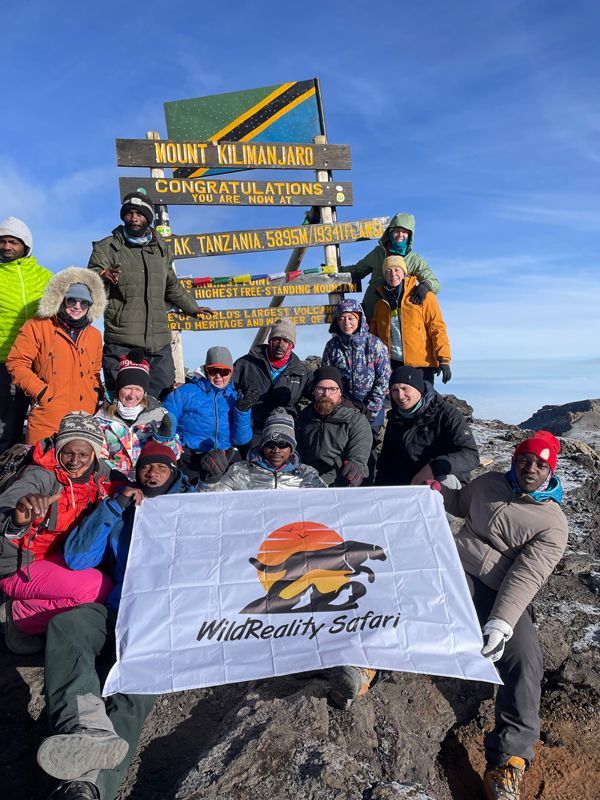
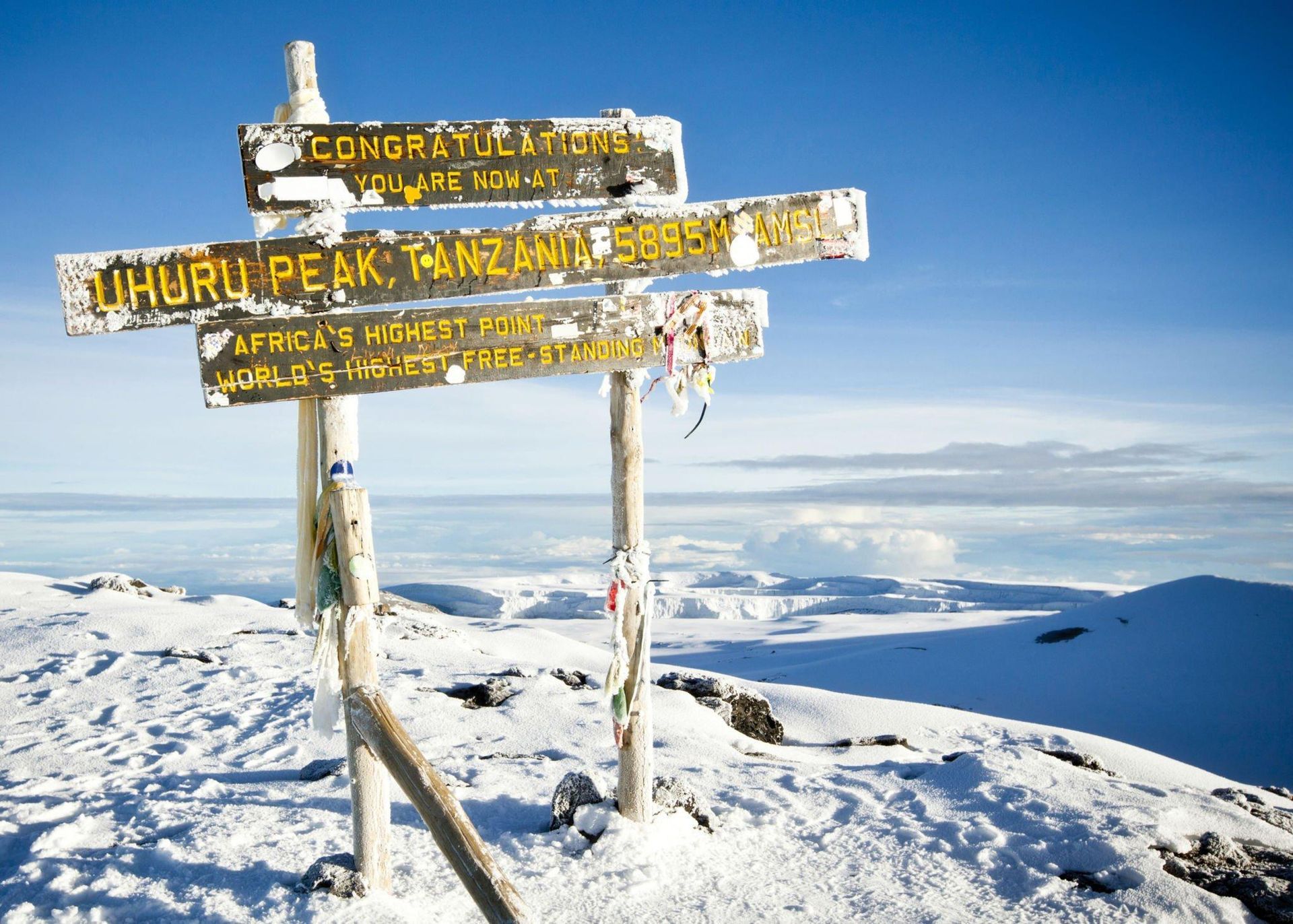
Uhuru Peak - the roof of Africa, and the highest walkable summit on the continent
What Kilimanjaro Actually Is
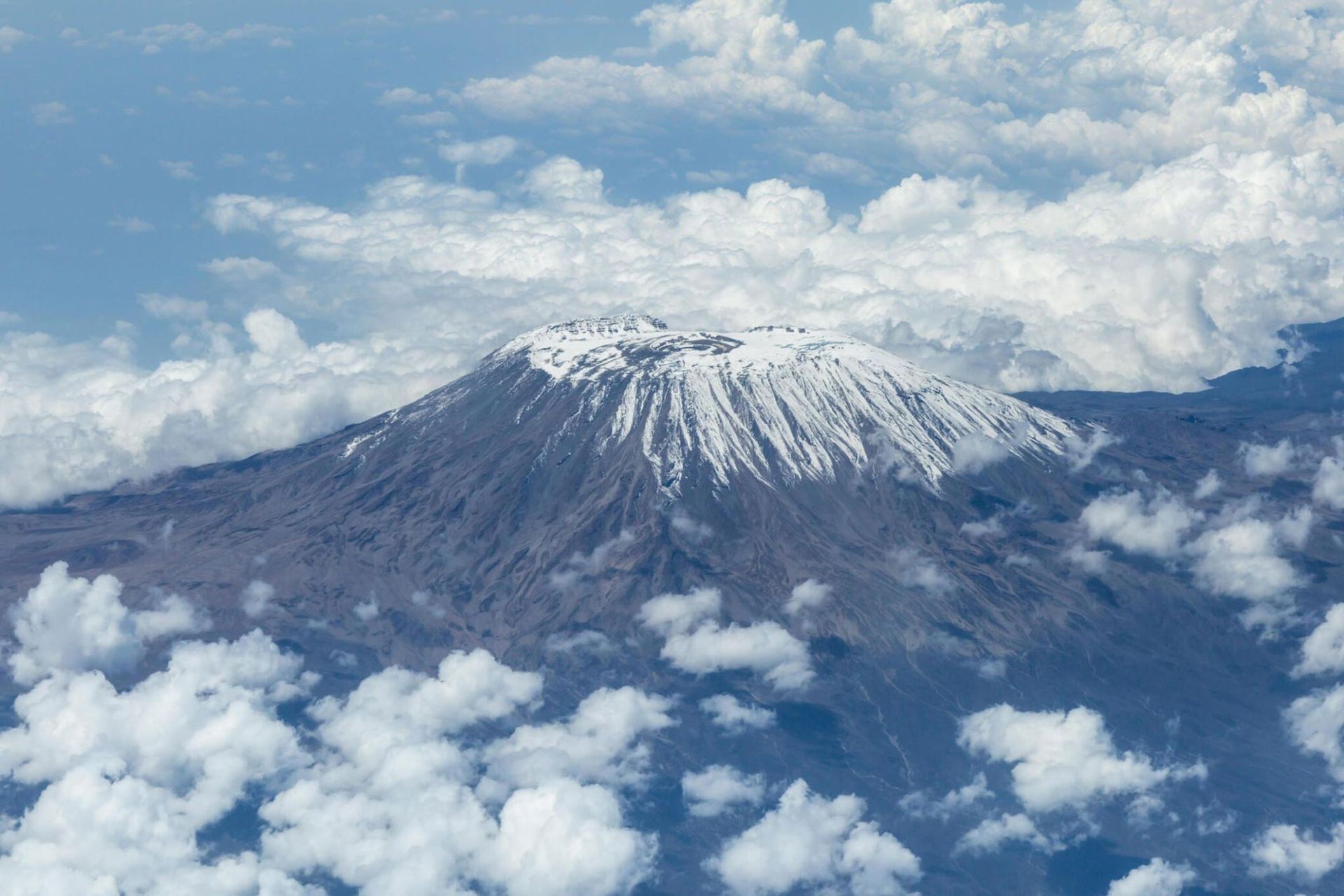
At 5,895 metres, Kilimanjaro is the tallest freestanding mountain in the world and Africa's highest peak. It rises from savannah at about 900 metres to an arctic summit in under 70 kilometres, passing through five climate zones.
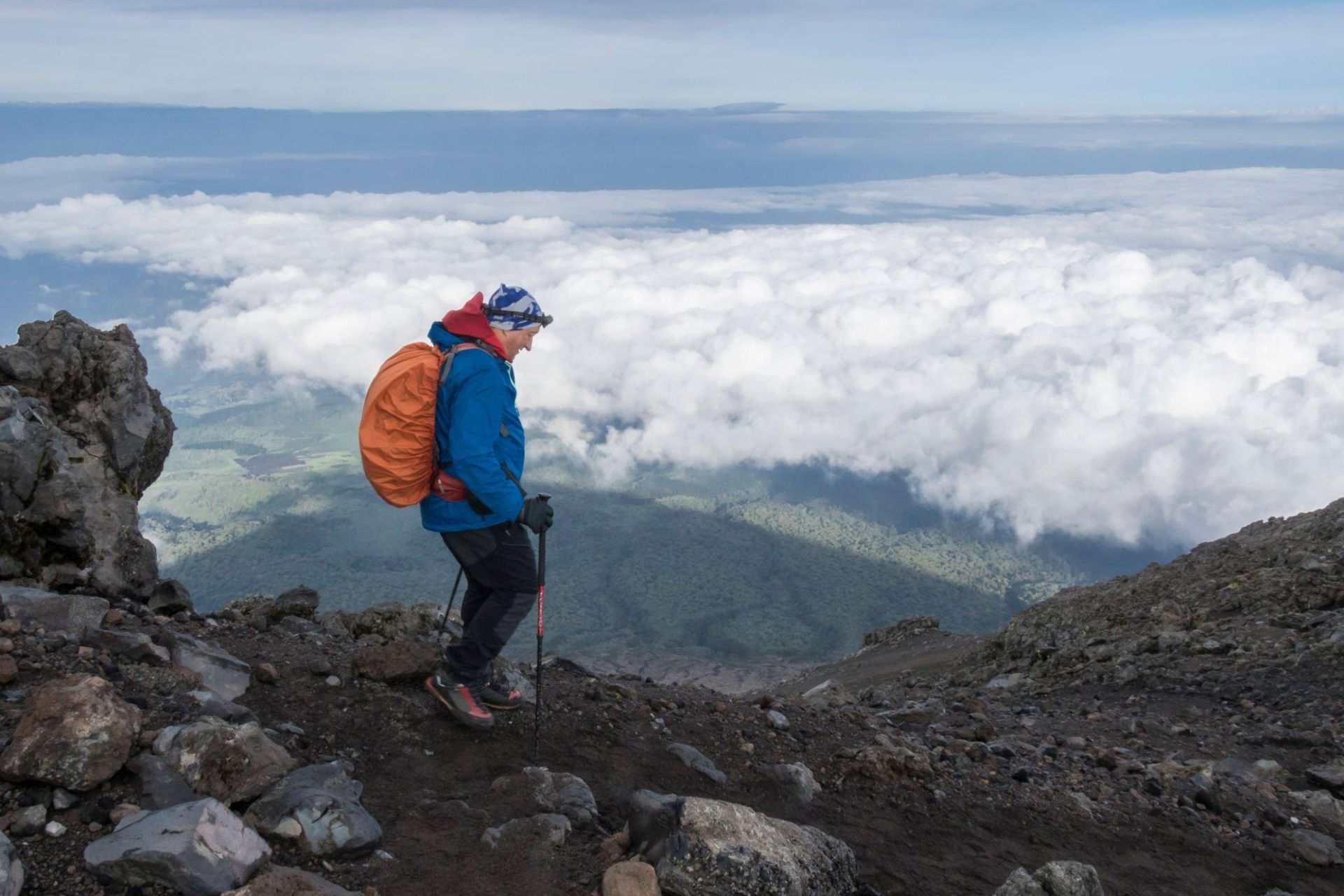
Kilimanjaro requires no technical climbing skills; you need time for acclimatization and a knowledgeable guide team. The main challenge is altitude sickness, not terrain. Hikers who fail often choose the shortest route without allowing body adjustment.
Our guides are Chagga, who have lived on Kilimanjaro's slopes for generations, understanding the mountain in all conditions. This is not just a marketing claim; it's their identity.
Choose your adventure
We're a Tanzanian family operation crafting deeply personal adventures that go beyond the guidebooks.
- Duration: 8 days / 7 nights
- Begins: Arusha
- Operates: Jan-Mar, Jun-Oct
- Difficulty: Moderate-Hard
- Duration: 15 days, 14 nights
- Begins: Arusha
- Operates: Jan-Mar, Jun-Oct
- Difficulty: Moderate-Hard
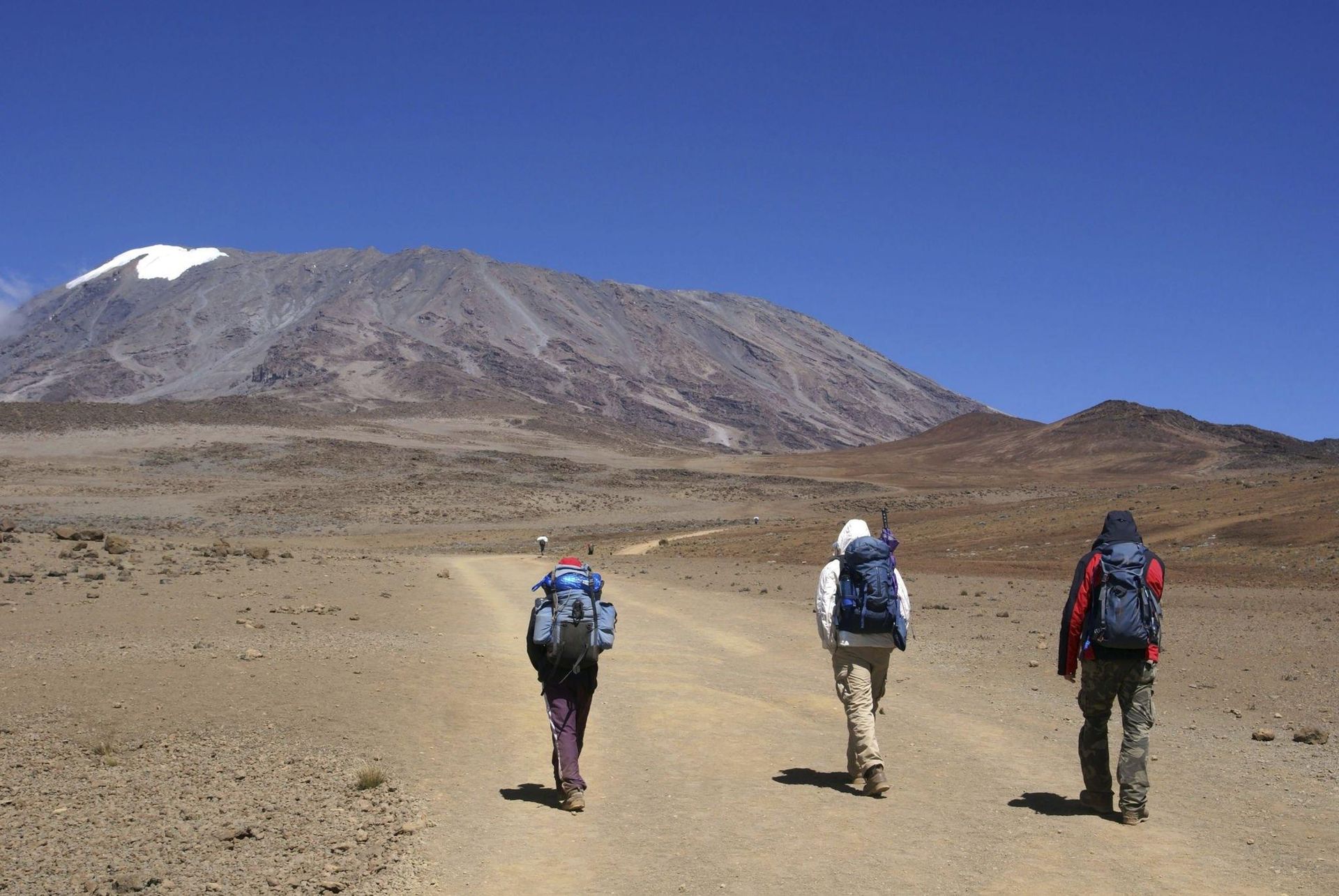
The ecological zones of Kilimanjaro
800-1800m
Cultivated Zone
Coffee and banana farms. Chagga villages. The mountain begins here, gentled by human hands.
1800-2800m
Rainforest
Dense montane forest. Colobus monkeys, hornbills, massive trees draped in moss and silence.
2800-4000m
Heath & Moorland
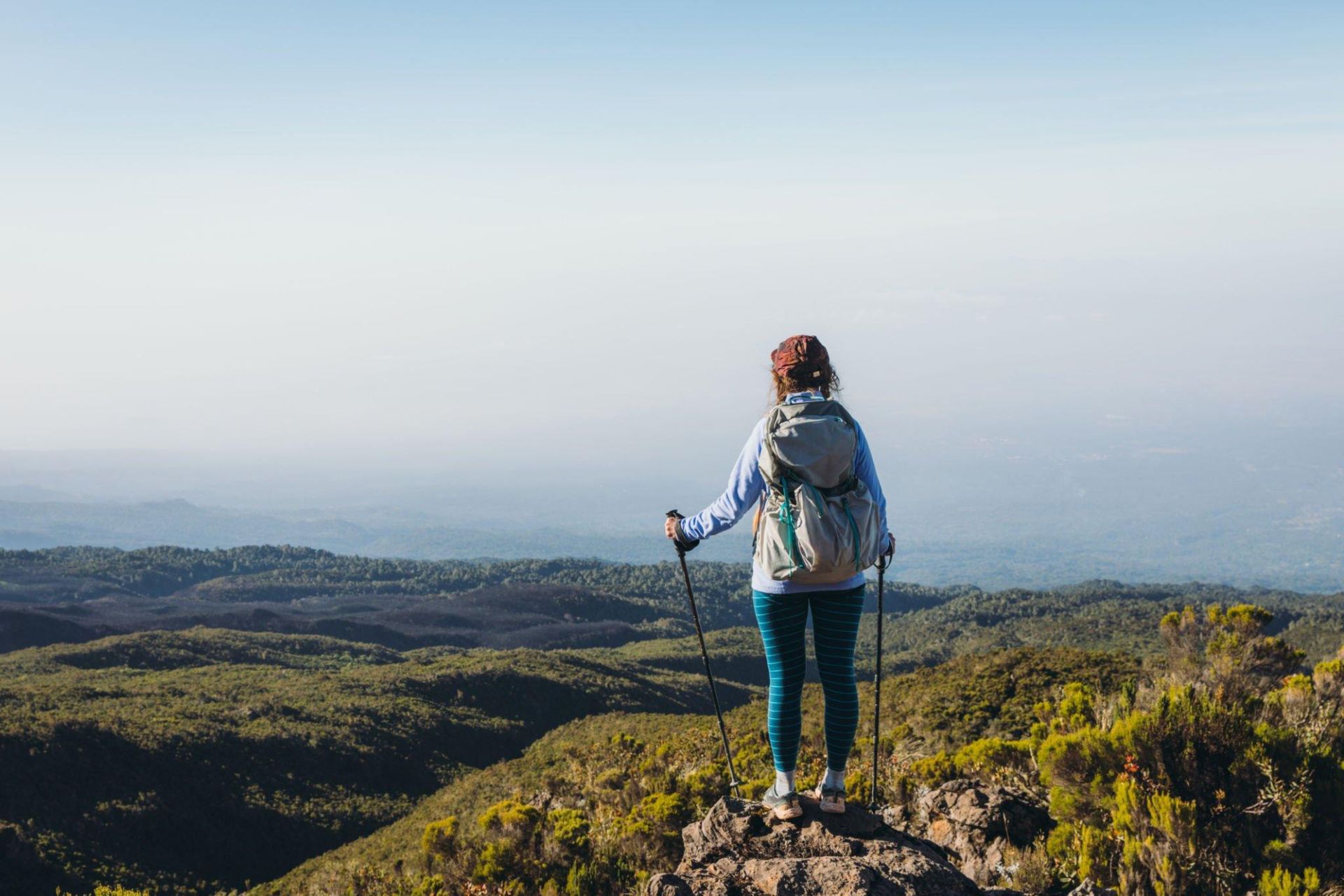
Giant heather, lobelia, and groundsel. Open landscapes with the first mountain views.
4000-5000m
Alpine Desert
Sparse, rocky, extreme temperature swings. The mountain reveals its true scale here.
5000-5895m
Arctic Summit
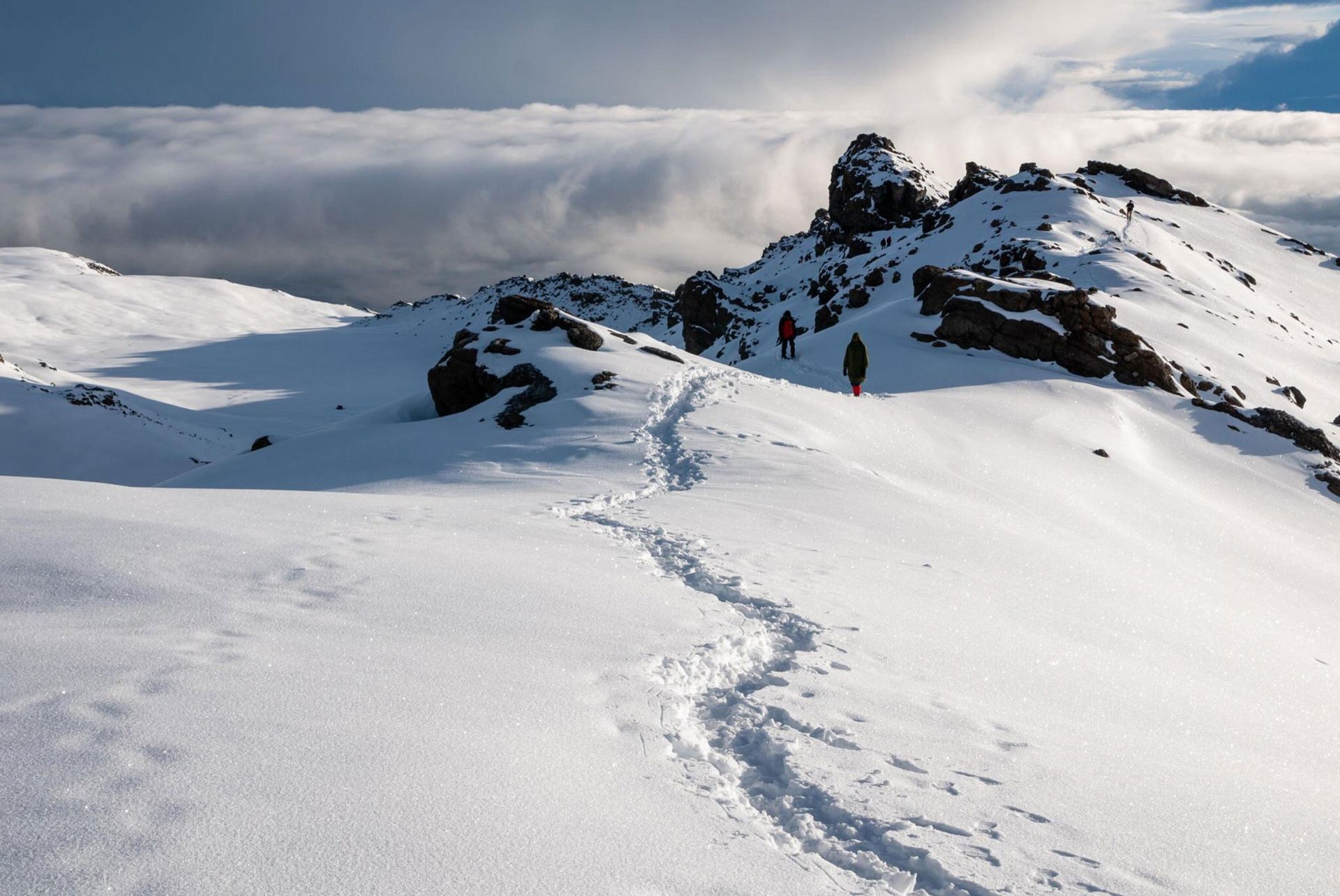
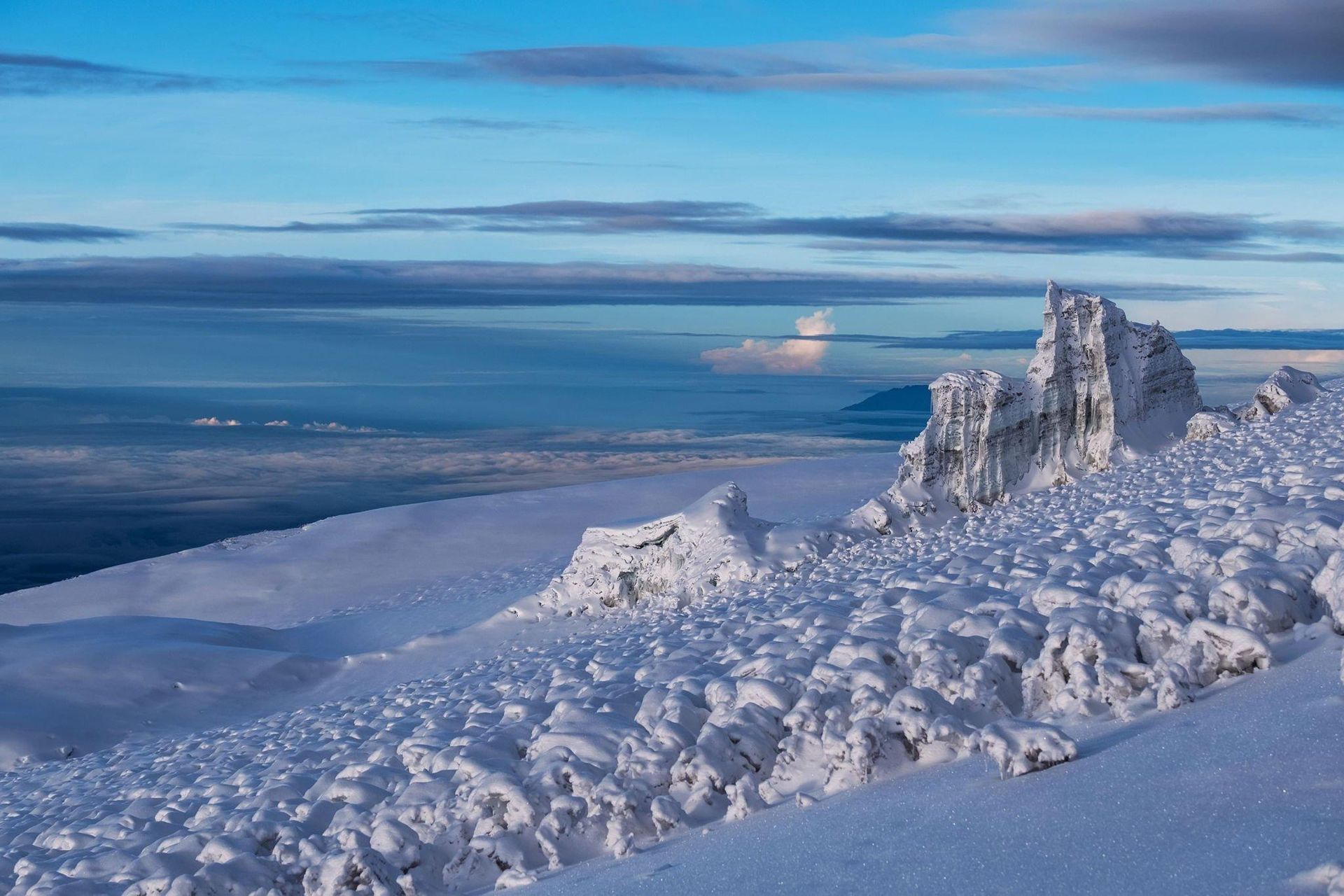
Glaciers, ice fields, thin air. Uhuru Peak. The roof of Africa.
Kilimanjaro Questions, Answered.
Everything you need to know about safari planning
Are there luggage restrictions I should know about?
If you're combining your Kilimanjaro climb with a fly-in safari afterward - which many guests do - light aircraft weight limits apply. The limit is 20kg per person, including all luggage. One soft, duffel-style bag is strongly recommended over hard-shell cases, as aircraft cargo space is limited and rigid luggage often can't be accommodated. Laundry service is available at most lodges and camps, so you don't need to overpack. If you're heading straight home from Arusha after the climb, standard airline baggage rules apply.
Is there medical support available if something goes wrong?
Our guides carry emergency oxygen and are trained in altitude emergency protocols. For anything beyond altitude-related illness, medical assistance is available at some camps and lodges along the route. If you need proper clinical care, a clinic with an expat doctor is accessible in Karatu. For any medical concern on the mountain, tell your guide immediately - they will contact our office and coordinate the appropriate response. We always recommend comprehensive travel insurance that covers emergency evacuation before departure.
Do I need mountaineering experience to climb Kilimanjaro?
No. Kilimanjaro is a non-technical trek - no ropes, no crampons, no climbing experience required. The challenge is altitude, not terrain. If you can hike 15-20km a day with a loaded pack, you are physically capable.
What is the success rate on Kilimanjaro?
Overall summit rates across all operators vary widely - some sources cite 45-65% across all routes and durations. On the longer routes we recommend (Lemosho 8-day, Northern Circuit), our rates are significantly higher. Adequate acclimatization time is the single biggest factor.
Is altitude sickness a serious risk?
It is the primary risk and the main reason climbers turn back. Mild AMS (headache, nausea) is very common above 3,500m. Serious illness (HACE, HAPE) is rare but possible. Our guides monitor climbers daily, carry emergency oxygen, and are trained in altitude emergency protocols.
What gear do I need?
We provide a kit list after booking. Essentials include proper waterproof hiking boots, warm layers (summit temperatures can reach -15C), trekking poles, and a good sleeping bag rated to -10C or lower. Gear rental is available in Arusha if you prefer not to travel with bulky equipment.
How physically fit do I need to be?
A reasonable level of aerobic fitness is important. You should be able to hike 6-8 hours a day comfortably. We recommend 3-4 months of preparation — hiking with a loaded pack, cardio training, and ideally some time at altitude before arriving. We'll share a training guide after booking.
What about porter wages and working conditions?
We pay above KPAP-recommended minimum wages, provide proper gear to our porter teams, and document this. Porter welfare is something we take seriously. Ask us directly and we'll tell you the numbers.
Can I combine Kilimanjaro with a safari?
Yes, and we highly recommend it. The standard combination is the Kilimanjaro climb followed by a 4-7 night Serengeti safari. One booking, one team, two of Africa's greatest experiences back to back.
Plan Your Kilimanjaro Journey
Whether you want to summit, celebrate, or simply experience the mountain's presence - we'll build the perfect journey around you.
- Responds within 24 hours
- English, Swahili, French & more
- Free consultation