5,895m · Africa's Roof
Climb Mount Kilimanjaro
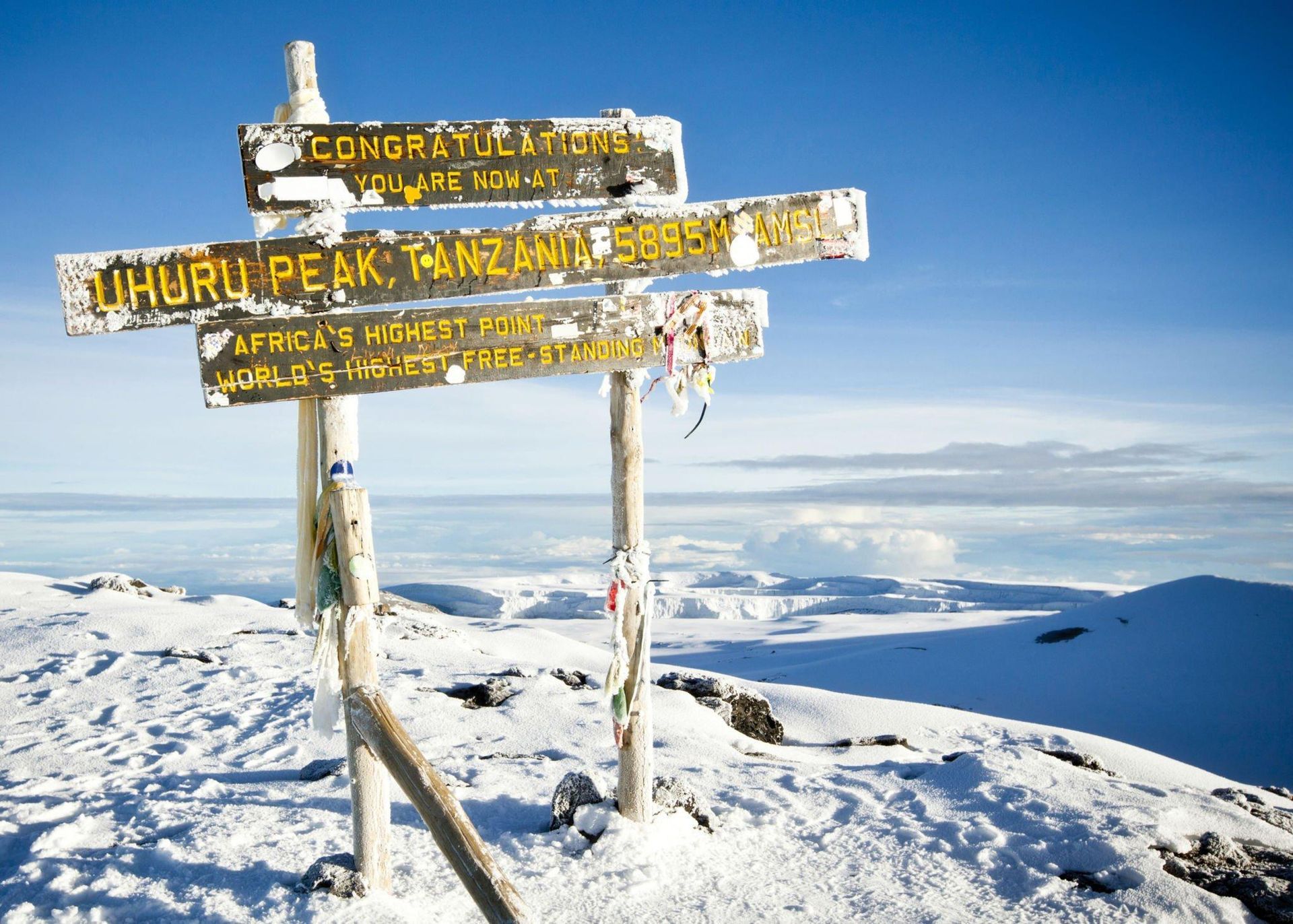
5,895m
Uhuru Peak elevation
6 routes
Carefully guided options
100%
KINAPA certified guides
UNESCO
World Heritage Site

5,895m
Uhuru Peak elevation
What Kilimanjaro Actually Is
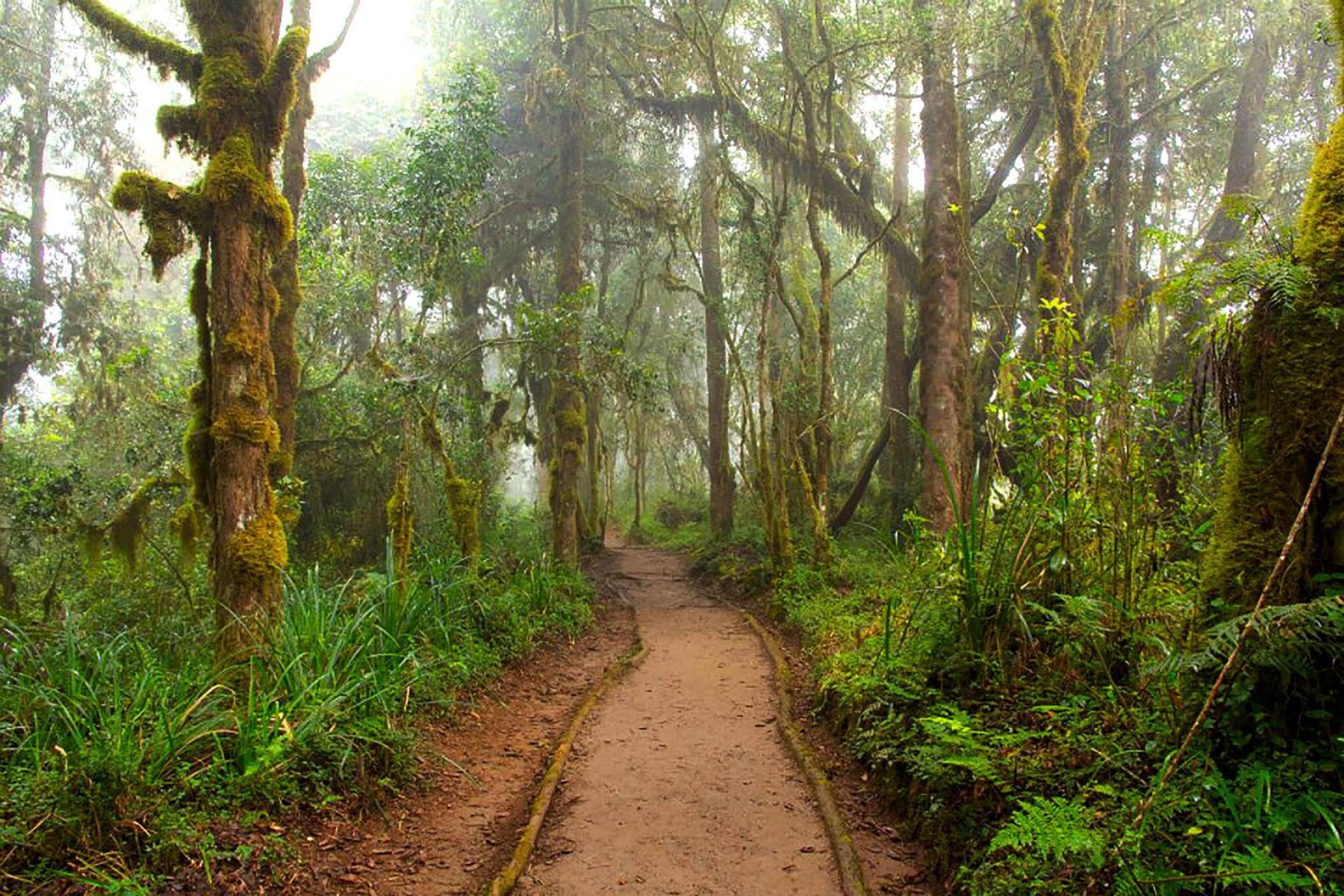
Kilimanjaro is not a technical climb. You do not need ropes, crampons, or mountaineering experience. What you need is time - enough days to let your body adjust to altitude - and a guide team that understands acclimatization deeply.
The mountain's biggest challenge is altitude sickness, not the terrain. The hikers who fail the summit almost always do so because they chose the shortest, cheapest route and didn't give their bodies enough time to adapt. We do not cut those corners.
Our guides are Chagga - the people who have lived on Kilimanjaro's slopes for generations. They know the mountain in all seasons, all weather, and at every hour of the day and night. That is not a marketing claim. That is who they are.
Six paths to Uhuru Peak
Every route reaches the same summit. The difference is how you get there - the pace, the scenery, the challenge, and the experience.
- Duration: 7–9 Days
- Begins: Arusha, Tanzania
- Operates: Jan-Mar, Jun-Oct
- Difficulty: Moderate to Challenging
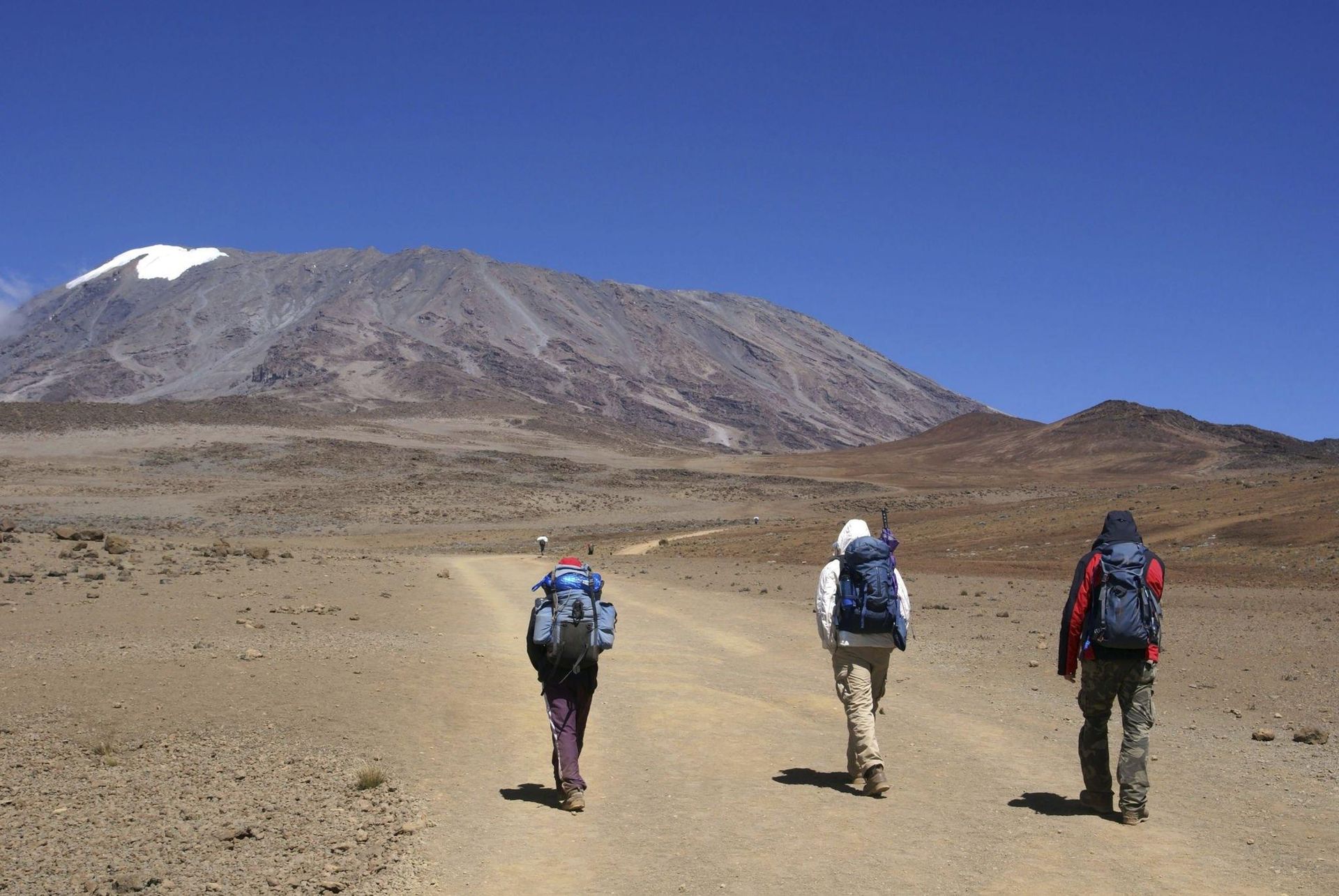
- Duration: 6–7 Days
- Begins: Arusha, Tanzania
- Operates: Jan-Mar, Jun-Oct
- Difficulty: Challenging
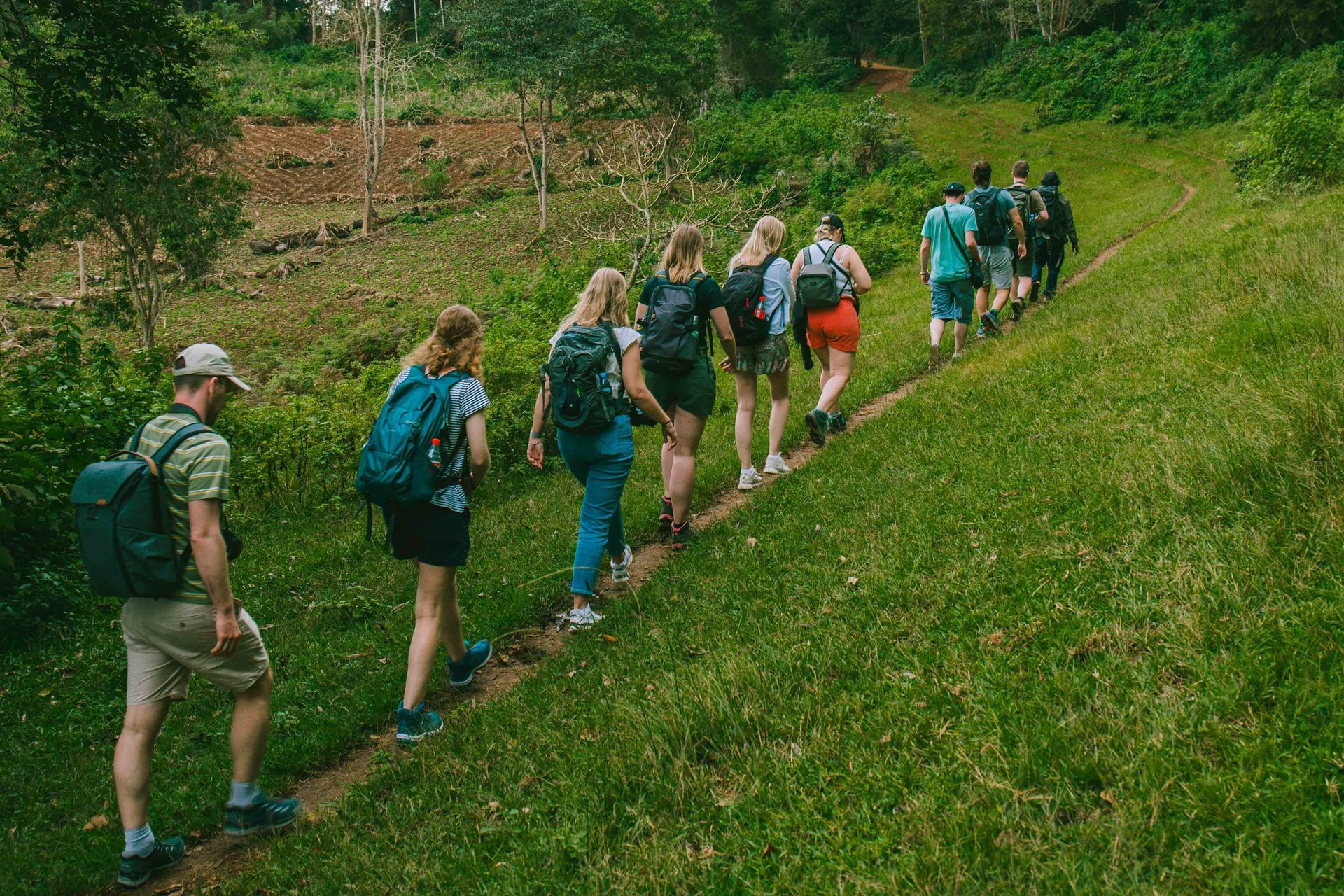
- Duration: 6–7 Days
- Begins: Arusha, Tanzania
- Operates: Jun-Oct
- Difficulty: Moderate
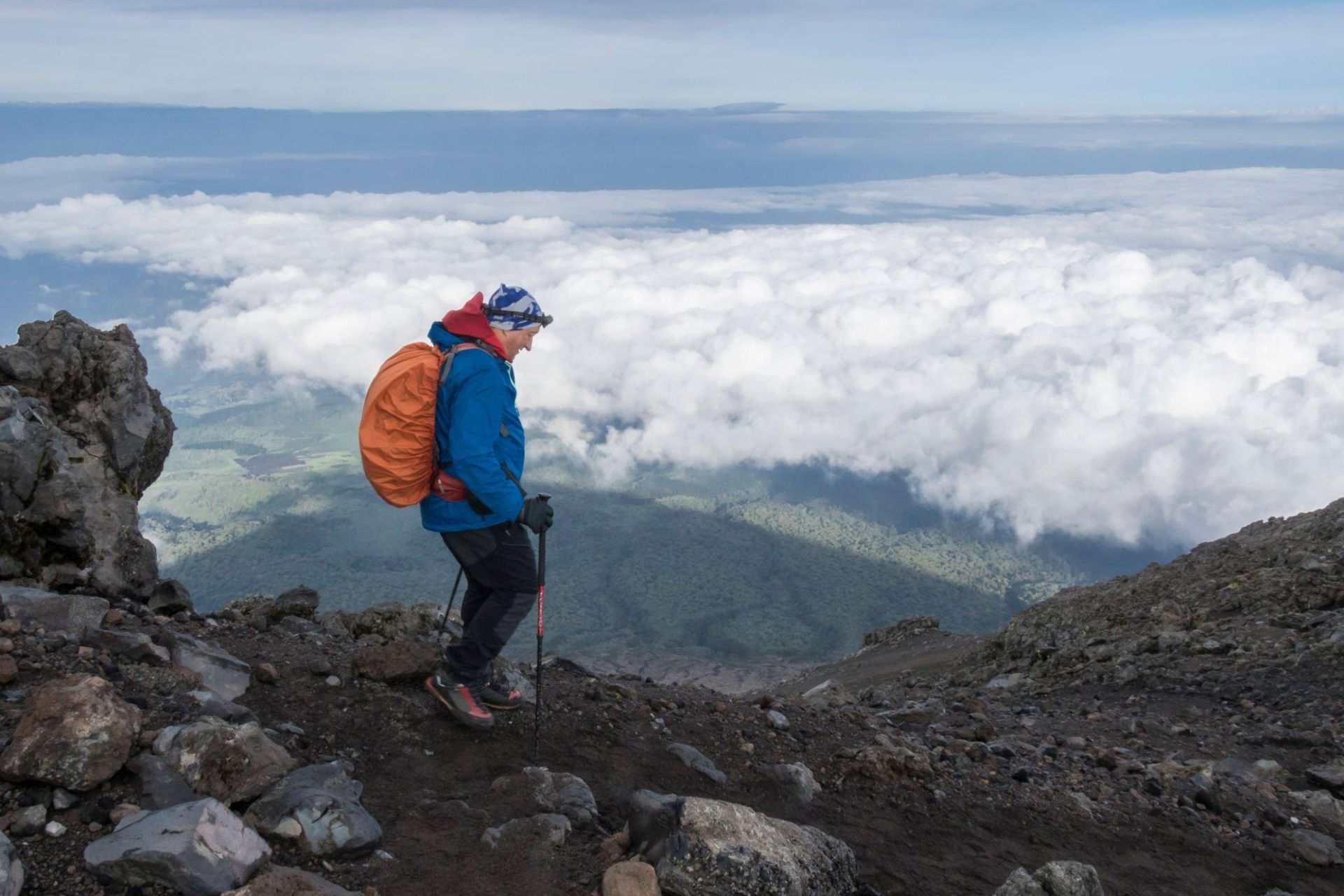
- Duration: 9–10 Days
- Begins: Arusha, Tanzania
- Operates: Jan-Mar, Jun-Oct
- Difficulty: Challenging
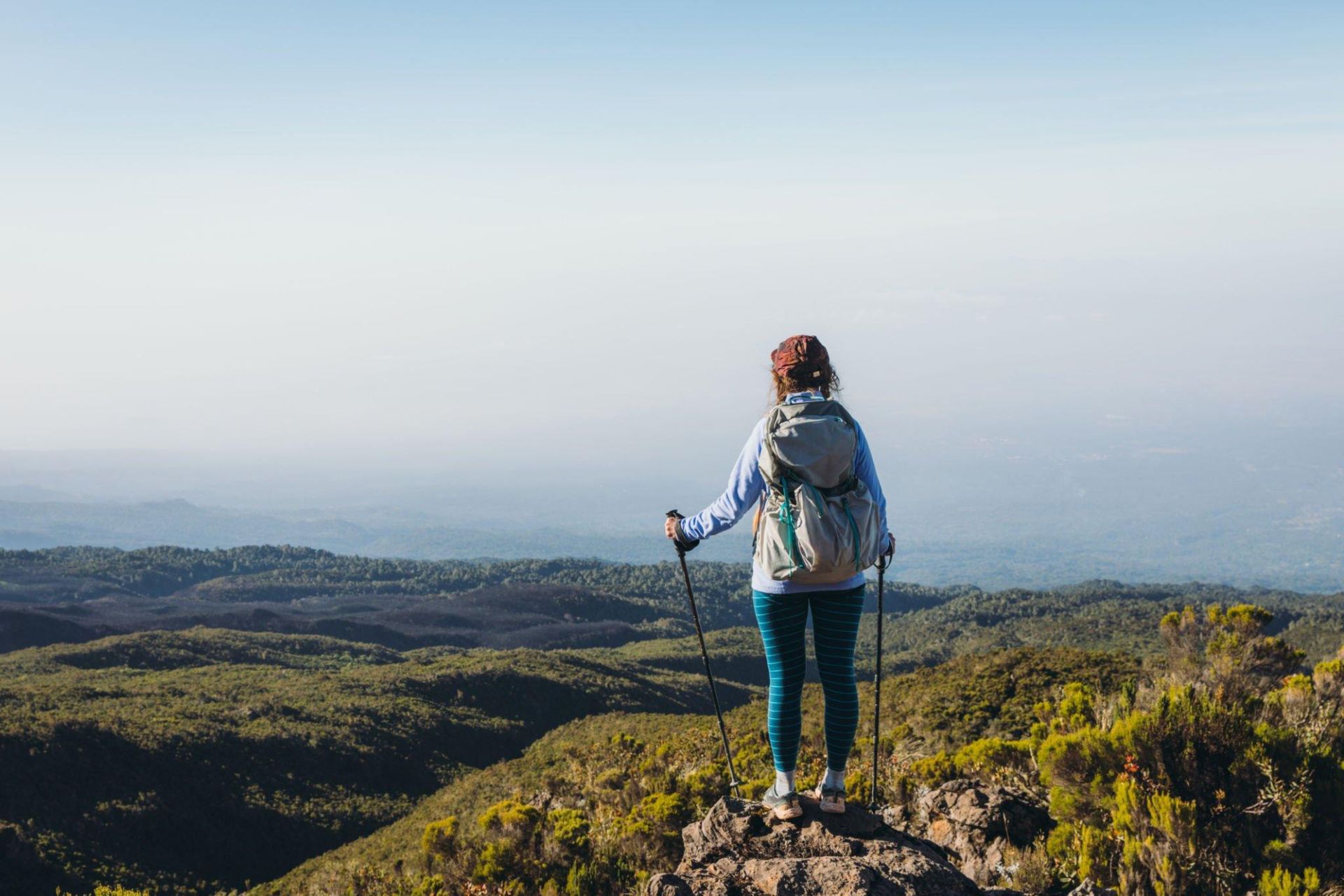
- Duration: 5–6 Days
- Begins: Arusha, Tanzania
- Operates: Year-round
- Difficulty: Moderate
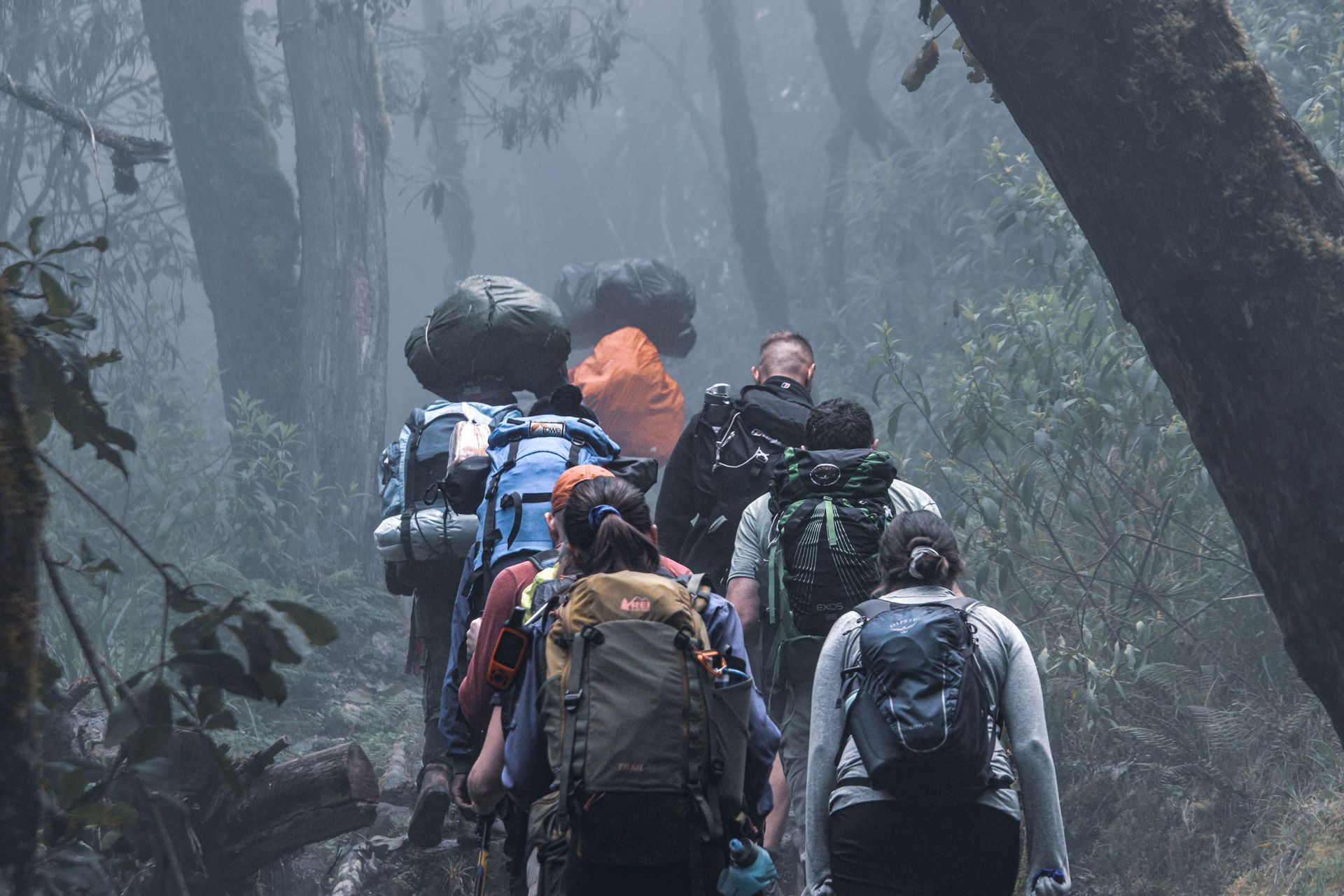
- Duration: 6–7 Days
- Begins: Arusha, Tanzania
- Operates: Jun-Oct, Jan-Feb
- Difficulty: Very Challenging
How We Plan Your Climb
Every safari we design is tailored to you, but there are a few things that tend to shape how the experience comes together.
01
Choose Your Route
Tell us your fitness level, timeline, and what kind of experience you want. We'll recommend the right route - or let you choose if you already know.
02
We Build Your Trek
Full logistics: permits, Chagga guides, porter team (paid fairly), cook, camping or hut accommodation, all meals and equipment on the mountain.
03
Summit Night
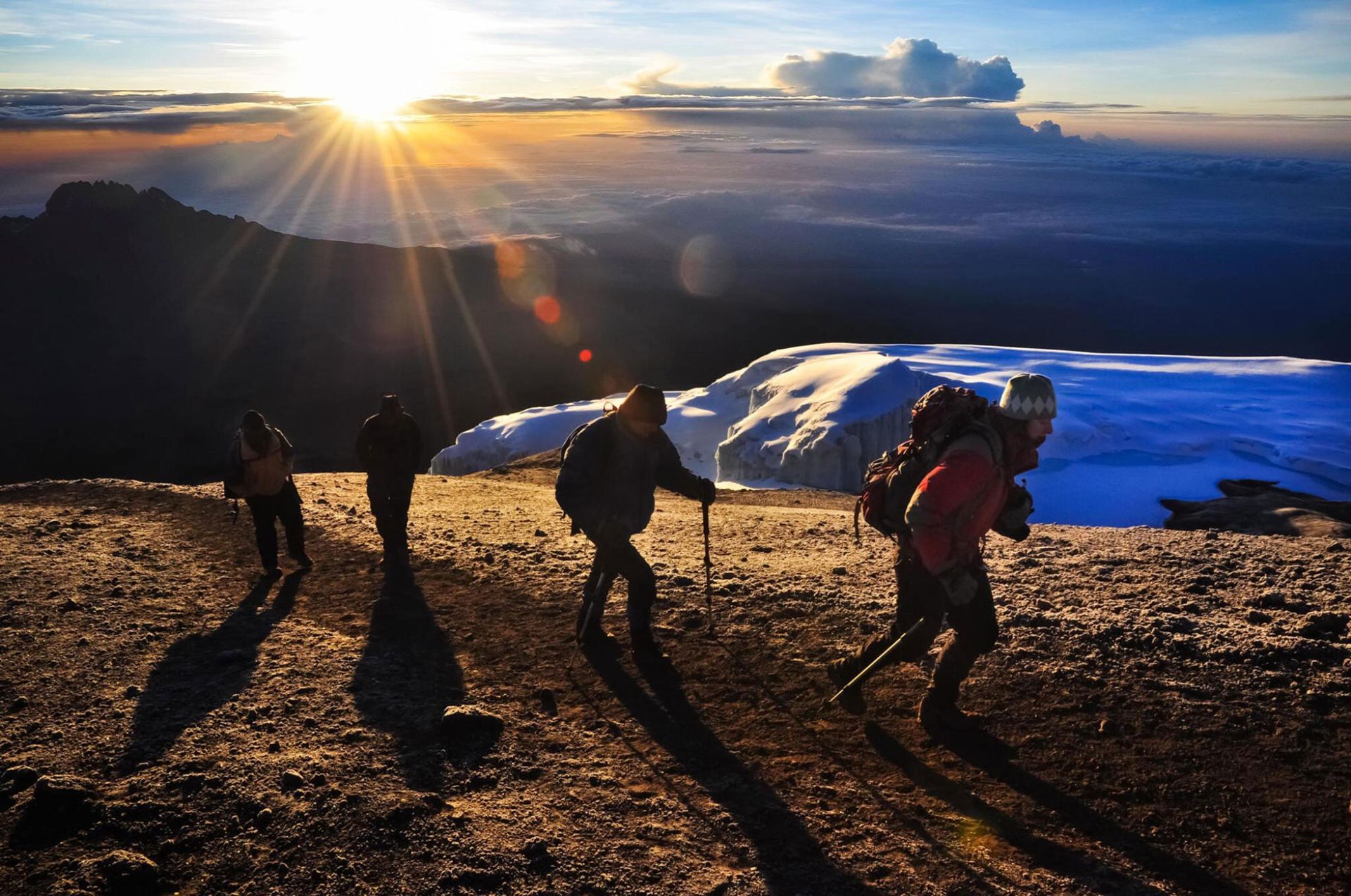
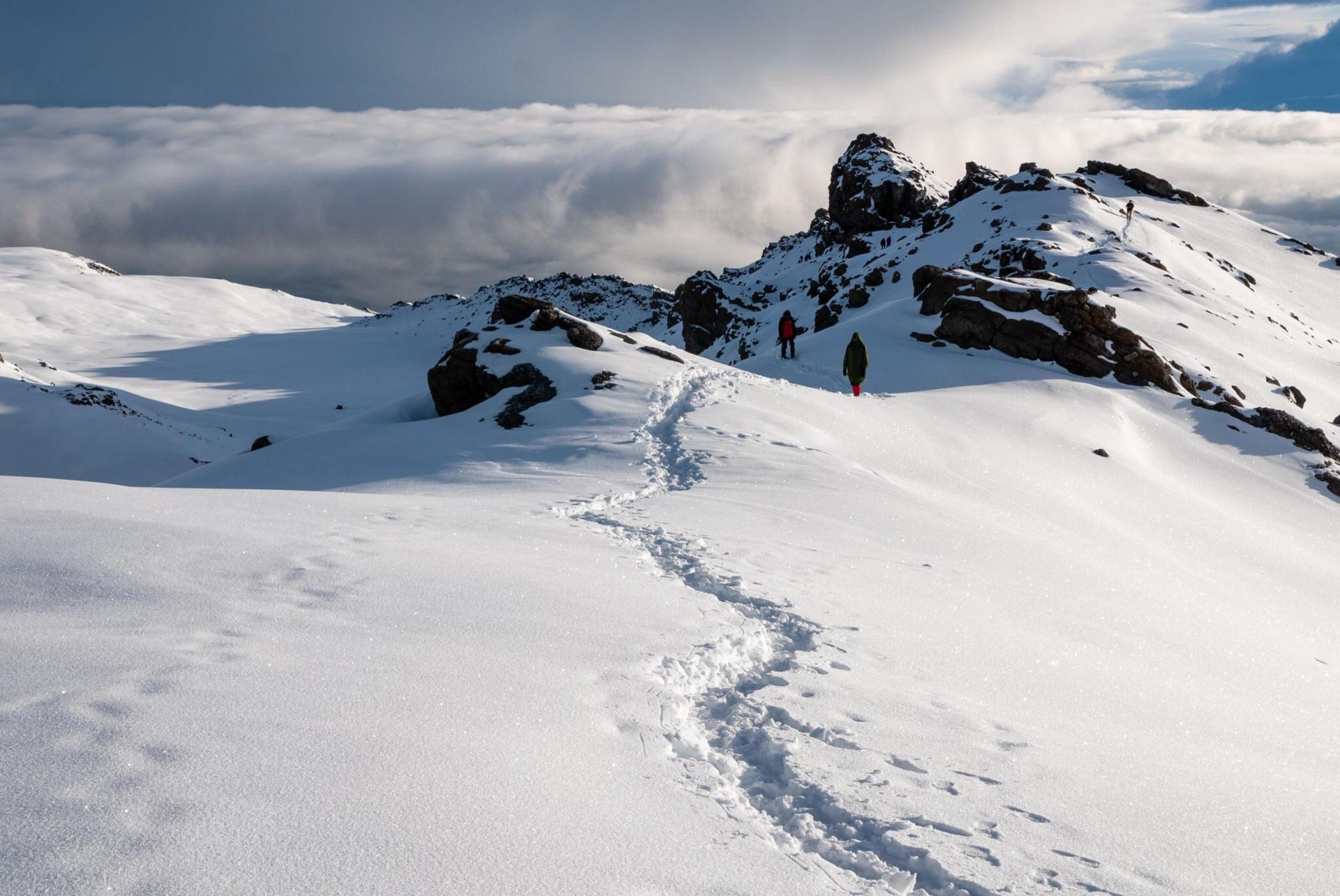
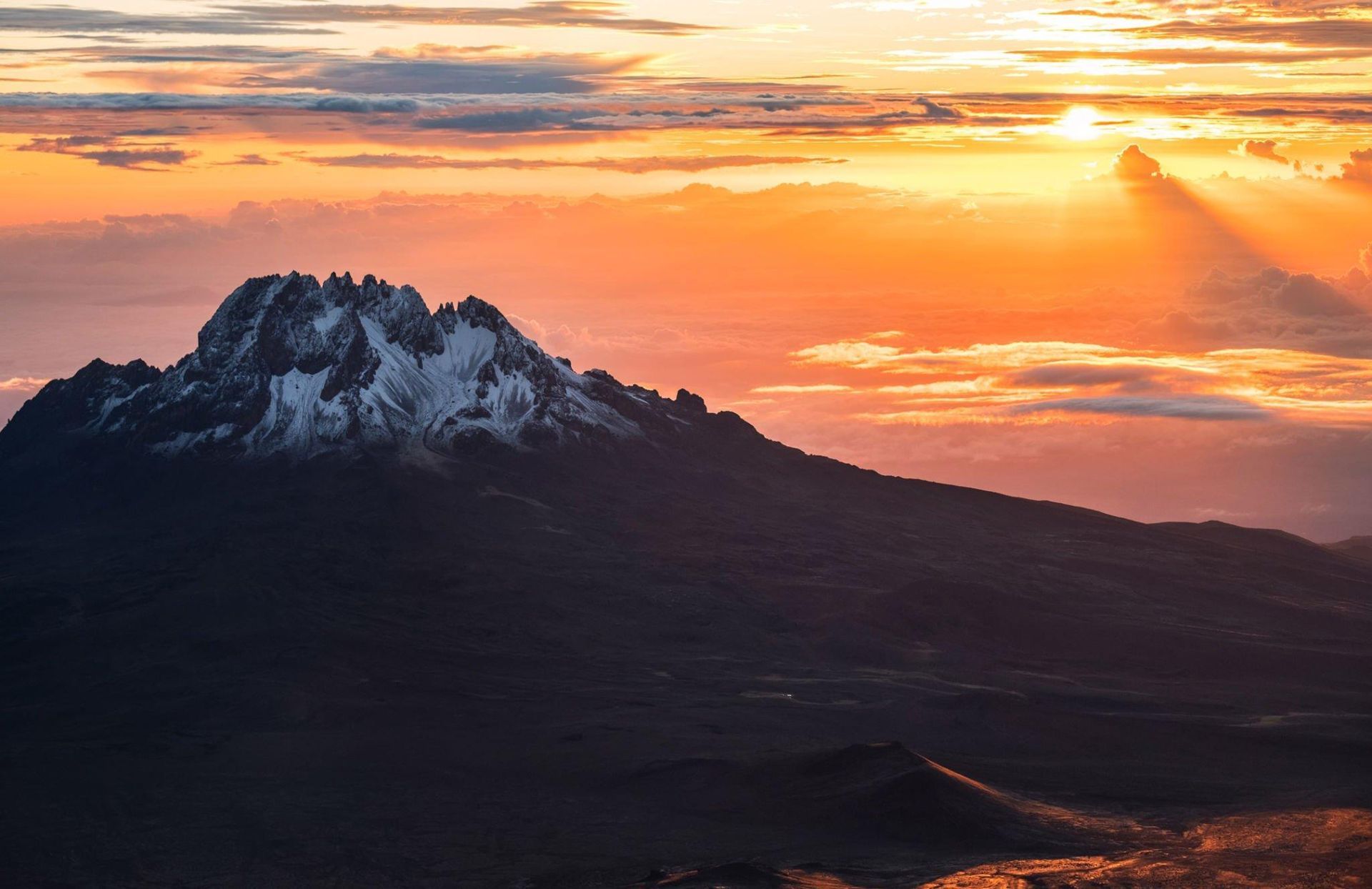
Midnight departure. Stars overhead. Uhuru Peak at dawn. Our guides have done this hundreds of times. They will get you there if your body allows it.
04
Descend and Recover
Down in one to two days, a hot shower in Arusha, and optionally: straight onto the Serengeti for a well-earned safari. Most climbers add three to five nights.
Kilimanjaro's Best Seasons
The mountain is climbable year-round. Two seasons are clearly better than the others.
Droog seizoen I
Jan to March
Clear skies, cold summit temperatures, quieter trails than the July-October peak. Excellent visibility from the summit. January to mid-February is particularly good.
Long Rains — Avoid
april tot mei
Tanzania's long rainy season. Trails are muddy and slippery. Summit cloud cover is near-constant. Most operators reduce operations during these months. We advise against it.
Dry Season II — Classic
June to October
The most popular climbing window. Dry trails, excellent visibility, and peak camp atmosphere. July and August bring the highest volume. Book 8-12 months ahead for these months.
Shoulder Season
Nov to Dec
Short rains bring afternoon showers but mornings are often clear. Fewer climbers on the mountain. Lower rates. An underrated window for the prepared traveler.
Kilimanjaro Questions, Answered.
Everything you need to know about Kilimanjaro Trek
En hoe zit het met het opladen van elektronische apparaten in de bergen?
In Tanzania wordt 220-240V elektriciteit gebruikt met stopcontacten met drie vierkante pinnen (Britse stijl). Als uw apparaten een stekker met twee pinnen hebben, heeft u een adapter nodig. Deze zijn verkrijgbaar bij de receptie van de lodges in Arusha, meestal tegen een kleine borg die u terugkrijgt. Op de berg zelf hebben de meeste kampen beperkte oplaadmogelijkheden en worden generatoren soms overdag of tussen middernacht en 5 uur 's ochtends uitgeschakeld. We raden aan om al uw apparaten volledig op te laden in Arusha voordat u aan de klim begint en een powerbank mee te nemen voor de nacht op de top.
Is there medical support available if something goes wrong?
Our guides carry emergency oxygen and are trained in altitude emergency protocols. For anything beyond altitude-related illness, medical assistance is available at some camps and lodges along the route. If you need proper clinical care, a clinic with an expat doctor is accessible in Karatu. For any medical concern on the mountain, tell your guide immediately - they will contact our office and coordinate the appropriate response. We always recommend comprehensive travel insurance that covers emergency evacuation before departure.
Are there luggage restrictions I should know about?
If you're combining your Kilimanjaro climb with a fly-in safari afterward - which many guests do - light aircraft weight limits apply. The limit is 20kg per person, including all luggage. One soft, duffel-style bag is strongly recommended over hard-shell cases, as aircraft cargo space is limited and rigid luggage often can't be accommodated. Laundry service is available at most lodges and camps, so you don't need to overpack. If you're heading straight home from Arusha after the climb, standard airline baggage rules appl
Do I need mountaineering experience to climb Kilimanjaro?
No. Kilimanjaro is a non-technical trek - no ropes, no crampons, no climbing experience required. The challenge is altitude, not terrain. If you can hike 15-20km a day with a loaded pack, you are physically capable.
What is the success rate on Kilimanjaro?
Overall summit rates across all operators vary widely - some sources cite 45-65% across all routes and durations. On the longer routes we recommend (Lemosho 8-day, Northern Circuit), our rates are significantly higher. Adequate acclimatization time is the single biggest factor.
Is altitude sickness a serious risk?
It is the primary risk and the main reason climbers turn back. Mild AMS (headache, nausea) is very common above 3,500m. Serious illness (HACE, HAPE) is rare but possible. Our guides monitor climbers daily, carry emergency oxygen, and are trained in altitude emergency protocols.
What gear do I need?
Welke uitrusting heb ik nodig? Na de boeking ontvangt u van ons een paklijst. Essentiële items zijn onder andere goede waterdichte wandelschoenen, warme kleding (de temperatuur op de top kan dalen tot -15°C), wandelstokken en een goede slaapzak die geschikt is voor temperaturen tot -10°C of lager. U kunt in Arusha ook uitrusting huren als u liever niet met zware spullen reist.
How physically fit do I need to be?
A reasonable level of aerobic fitness is important. You should be able to hike 6-8 hours a day comfortably. We recommend 3-4 months of preparation - hiking with a loaded pack, cardio training, and ideally some time at altitude before arriving. We'll share a training guide after booking.
What about porter wages and working conditions?
We pay above KPAP-recommended minimum wages, provide proper gear to our porter teams, and document this. Porter welfare is something we take seriously. Ask us directly and we'll tell you the numbers.
Can I combine Kilimanjaro with a safari?
Yes, and we highly recommend it. The standard combination is the Kilimanjaro climb followed by a 4-7 night Serengeti safari. One booking, one team, two of Africa's greatest experiences back to back.
The summit is waiting.
Let's get you there.
Tell us your dates, experience level, and which route interests you. We'll send a detailed proposal within 24 hours.
- Expert-guided experiences
- Tailor-made itineraries
- 24/7 in-country support